8 Best ABCmouse Alternatives for Homeschoolers (2026)
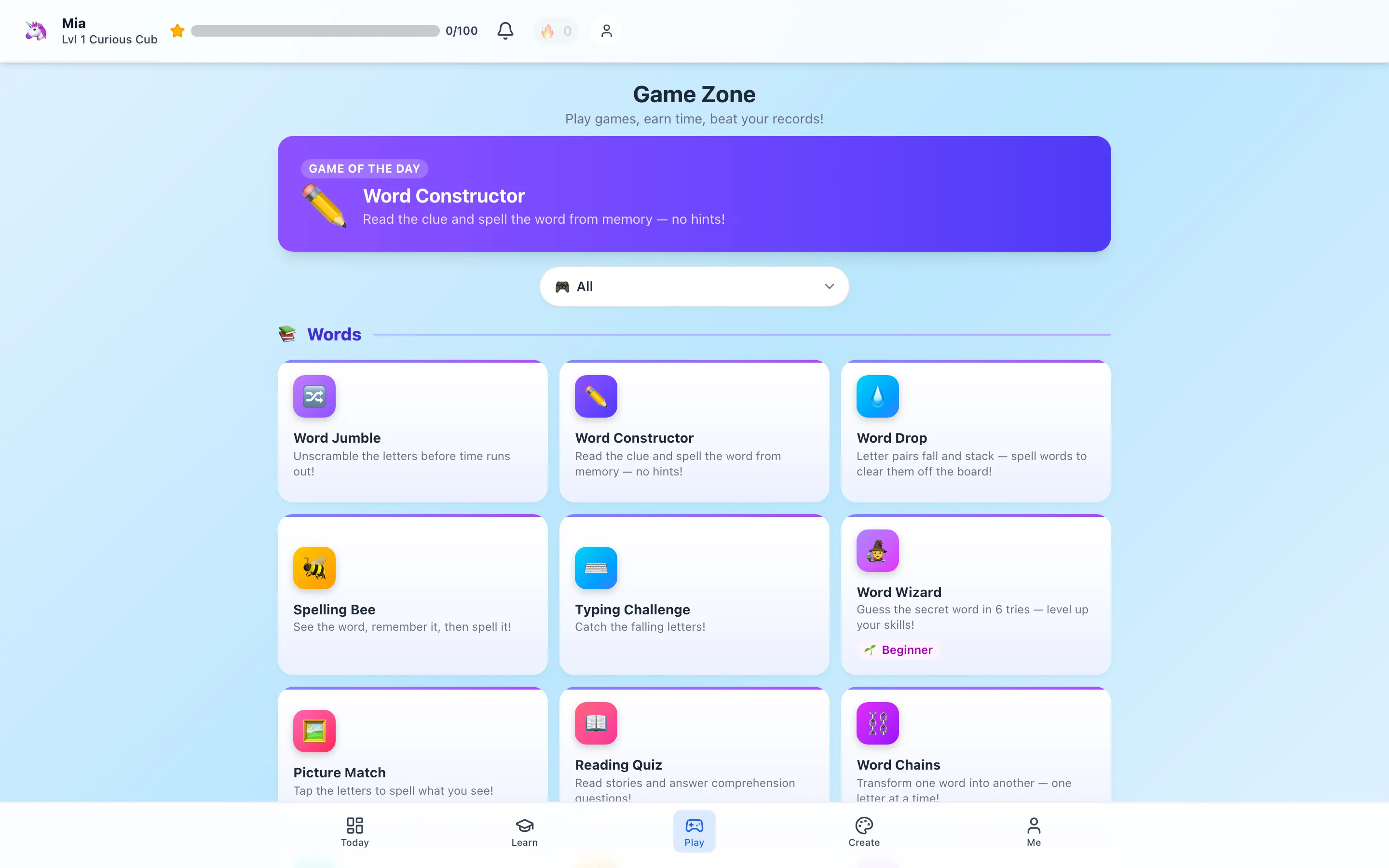
Trial offer update — September 17, 2026: HomeSchool.You's Summer Welcome Special offered a 7-day free trial with no credit card required, valid through September 15, 2026. That special is no longer active. New standard signups now receive a 3-day free trial with a credit card required upfront. The selected plan bills automatically when the trial ends unless canceled beforehand. Existing users keep their already-promised trial terms. See current plans and trial terms.
Disclosure: we build HomeSchool.You, which appears below. We've included the options that beat us on price and on specific strengths — verify anything that matters before you buy.
ABCmouse is $14.99/month or $45/year for ages 2–8, with up to 3 child profiles and a 30-day trial. It's genuinely good for preschoolers. Families leave for one of two reasons: the child aged out, or they need subjects ABCmouse doesn't cover.
Quick comparison
| Alternative | Price | Ages | Best for |
|---|---|---|---|
| Khan Academy Kids | Free | 2–8 | A free like-for-like swap |
| HomeSchool.You | $20/mo, up to 4 children | 3–10 | Growing past 8 without switching again |
| Adventure Academy | $12.99/mo or $45/yr | 8–13 | The official next step |
| Reading Eggs | Varies by program | 2–13 | Reading depth that keeps going |
| SplashLearn | ~$11.99/mo both subjects | PreK–5 | Focused early math |
| Epic! | $9.99/mo or $79.99/yr | Under 12 | A huge reading library |
| Prodigy | Free core | ~5–14 | Math a child will do voluntarily |
| Outschool | Pay per class | 3–18 | Live teachers |
Prices verified against published company pages, August 2026.
1. Khan Academy Kids — best free replacement
Free, ad-free, nonprofit, ages 2–8. The most direct substitute for ABCmouse at zero cost.
Where it wins: it's free and the early literacy work is excellent. If you're leaving ABCmouse to save money, stop here first.
Where it doesn't: same age ceiling, so it solves cost but not outgrowing. Full comparison.
2. HomeSchool.You — best for not switching again in a year
$20/month for up to 4 children, ages 3–10, with 57 courses, 84 games, 575 hands-on activities, 10 languages, 541 park field trips, and art and music studios.
Where it wins: the age range extends past where ABCmouse stops, so a 5-year-old and a 9-year-old share one account. Far broader subject coverage.
Where it doesn't: more expensive than ABCmouse — $20/month against $45/year — and we don't match ABCmouse's depth for a 3-year-old pre-reader. Full comparison.
3. Adventure Academy — the official next step
$12.99/month or $45/year, ages 8–13, from the same company. An MMO-style world where children explore alongside other players.
Where it wins: same price as ABCmouse, made by the same team, designed precisely for the age you're aging into. For a child who loves multiplayer games, the hook is real.
Where it doesn't: starts at 8, so a 7-year-old is stranded between products, and it's a shared online space with other children. Full comparison.
4. Reading Eggs — best reading progression
Five linked programs spanning ages 2–13: Reading Eggs Junior (2–4), Reading Eggs (3–7), Fast Phonics (5–7), Reading Eggspress (7–13), and Mathseeds (3–9). A 30-day free trial with no credit card.
Where it wins: it keeps going. A child who starts at 4 can stay until 13 without switching platforms — the exact problem ABCmouse creates.
Where it doesn't: it's a reading-and-math specialist, not a broad curriculum, and pricing varies a lot by how many programs you take.
5. SplashLearn — best focused early math
About $7.99/month for one subject or $11.99/month for math and reading. Math runs PreK–grade 5; reading stops at grade 2. Free tier available and completely free for teachers.
Where it wins: the math progression is more granular than ABCmouse's and continues further up.
Where it doesn't: reading ends at grade 2, earlier than ABCmouse. Full comparison.
6. Epic! — best reading library
$9.99/month or $79.99/year for 40,000+ books, audiobooks, and videos, for children under 12. Up to four child profiles.
Where it wins: enormous library, and a child who's learned to read on ABCmouse now needs things to read. Different job, done very well.
Where it doesn't: it's a library, not instruction. It won't teach a child to read.
7. Prodigy — best free math motivator
Core math and English free; memberships roughly $5–$20/month. Math covers PreK–8.
Where it wins: the RPG format gets children to do hundreds of math problems voluntarily, free.
Where it doesn't: membership perks are visible to non-paying children during play, which some parents dislike. Full comparison.
8. Outschool — best for live teaching
Pay per class, typically $10–$25 for a one-time class, ages 3–18.
Where it wins: real teachers, real classmates, and it never runs out — classes go to 18.
Where it doesn't: costs are unpredictable and it requires scheduling. Full comparison.
How to pick
- Just want free → Khan Academy Kids
- Child is 8+ and loves games → Adventure Academy
- Want one platform for ages 4–10 → HomeSchool.You
- Reading is the focus → Reading Eggs, then Epic! for volume
- Math is the gap → SplashLearn or Prodigy
- Child needs a teacher → Outschool
Our 3-day trial requires a credit card upfront if you want to compare directly.
Methodology
Prices come from each company's own published pages in August 2026 rather than review aggregators. We ordered by which problem each solves, not by preference, and we put the free option ahead of our own paid product because for many families leaving ABCmouse over cost, free is the right answer.
Frequently asked questions
Why do families outgrow ABCmouse?
ABCmouse is built for ages 2–8, with content organized PreK through 2nd grade. Most children exhaust it around age 7 or 8, which is when parents start looking for the next thing.
What is the closest free alternative to ABCmouse?
Khan Academy Kids. It's free with no ads, covers ages 2–8, and its early literacy and phonics content is comparable in quality.
What does Age of Learning recommend after ABCmouse?
Adventure Academy, their own product for ages 8–13. It's a separate subscription at $12.99/month or $45/year.
Which alternative covers the most subjects?
HomeSchool.You, with 57 courses across 14 subjects plus 10 languages and creative studios. We publish this list, so weigh that accordingly.
Is there an alternative with a longer free trial?
Reading Eggs offers 30 days with no credit card required, matching ABCmouse's 30-day trial length.
What's best for a child who has finished ABCmouse but is only 7?
HomeSchool.You covers 3–10 on one plan, or Reading Eggs continues to age 13 through Reading Eggspress. Adventure Academy starts at 8, so there can be a gap year.