Adventure Academy vs HomeSchool.You — An Honest Comparison (2026)
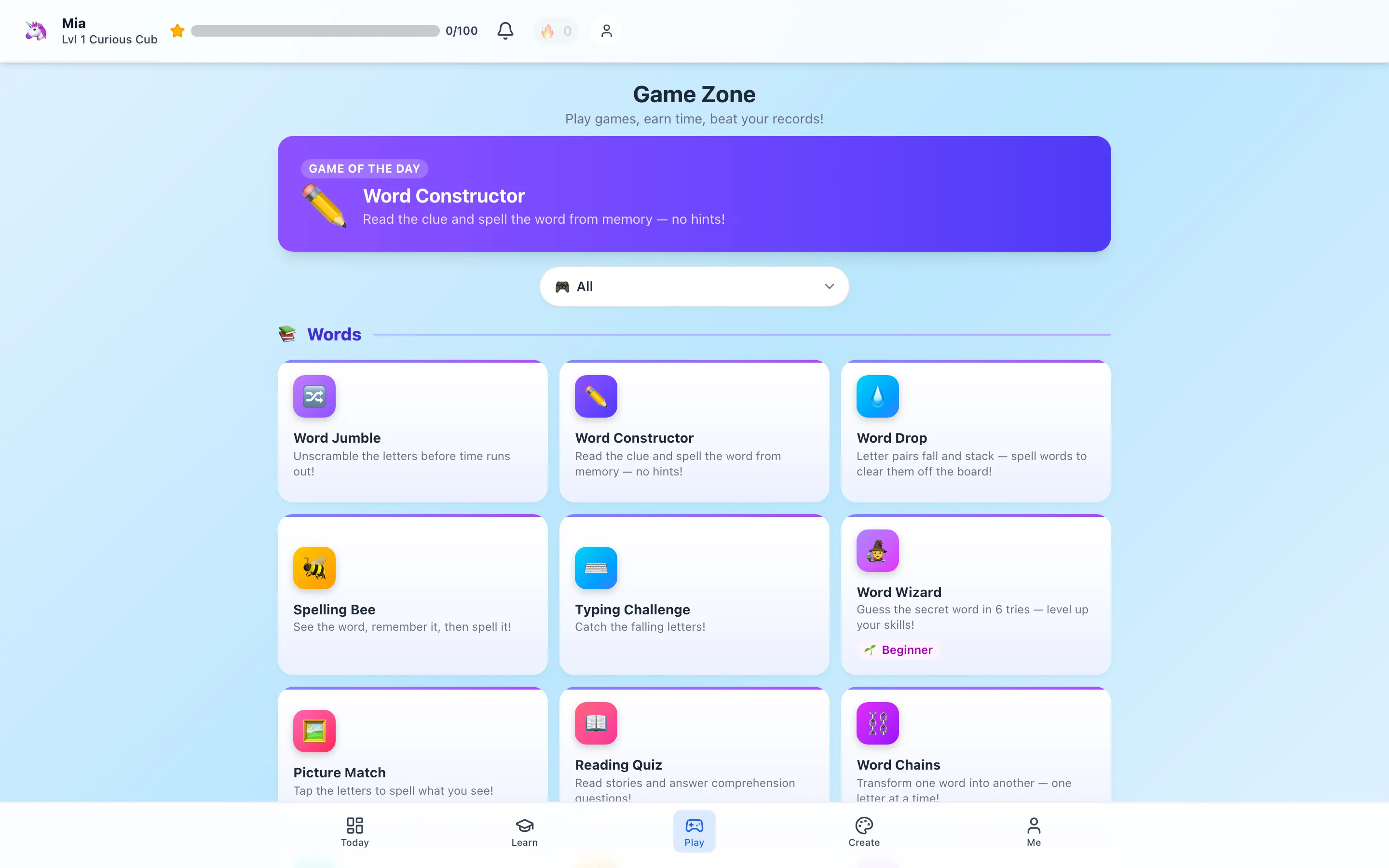
Trial offer update — September 17, 2026: HomeSchool.You's Summer Welcome Special offered a 7-day free trial with no credit card required, valid through September 15, 2026. That special is no longer active. New standard signups now receive a 3-day free trial with a credit card required upfront. The selected plan bills automatically when the trial ends unless canceled beforehand. Existing users keep their already-promised trial terms. See current plans and trial terms.
Short answer: Adventure Academy is cheaper and built around a multiplayer game world for ages 8–13. HomeSchool.You costs more but covers a wider age range (3–10), far more subjects, and includes hundreds of off-screen activities. If you have one 11-year-old who loves online games, Adventure Academy is a strong, inexpensive pick. If you have several younger children or want breadth beyond the four core subjects, we're the better fit.
Side-by-side
| Adventure Academy | HomeSchool.You | |
|---|---|---|
| Price | $12.99/month, $29.99/6 months, or $45/year | $20/month for up to 4 children |
| Effective monthly (annual) | ~$3.75 | $20 |
| Free trial | 30 days | 3 days, credit card required upfront |
| Ages | 8–13 | 3–10 |
| Format | MMO-style shared game world | Courses, games, activities, studios |
| Multiplayer | Yes — children interact with other players | No open multiplayer |
| Subjects | Language arts, math, science, social studies | 14 subjects across 57 courses |
| Languages | — | 10 |
| Screen-free activities | — | 575 |
| Creative tools | Character and space customization | Art studio (550 stamps), music studio with WAV/MIDI export |
| Ads / in-app purchases | None | None |
Pricing verified against Age of Learning's published subscription details, August 2026.
Where Adventure Academy is genuinely better
Price. At $45/year it's roughly a fifth of our cost. For one child, that's a meaningful difference and we won't spin it.
It reaches 13. Our platform tapers off around 10. If your child is 11, 12, or 13, Adventure Academy still fits and we don't.
The social world is the hook. For a child who already loves Roblox or Minecraft, an MMO framing genuinely lowers resistance. Learning wrapped in a world you explore with other players is a real motivational advantage for some kids — particularly reluctant readers who'll read quest text they'd never read on a worksheet.
A longer trial. Thirty days versus our three.
No ads, no purchases. Everything is included in the subscription. That's a cleaner deal than many free kids' games.
Where HomeSchool.You is genuinely better
It covers younger children. Adventure Academy starts at 8. If you have a 5-year-old and a 9-year-old, Adventure Academy serves one of them, and Age of Learning's answer for the younger one is a second ABCmouse subscription. Ours covers both on one account.
Subject breadth. Beyond the four core subjects, our $20 includes 10 language programs, 541 U.S. park virtual field trips, a full art studio, a music studio that exports real WAV and MIDI files, a 150-entry careers catalog, and courses in coding, financial literacy, entrepreneurship, civics, and more.
Time off the screen. 575 hands-on activities — cooking, nature identification, engineering builds — are central to how our platform works. Adventure Academy is, by design, a game world you stay inside. Arcade-style games on our side are time-gated against a daily budget parents set.
That difference comes from what each product is optimising for. An MMO's design goal is time in the world; ours is that the time spent was worth more than YouTube and then ends. Both are legitimate — but if the guilt you feel about screen time is really about sessions that never reach a natural stopping point, that's the distinction to weigh.
No open multiplayer. For some families this is the deciding factor in our favor, and for others it's a reason to prefer Adventure Academy. Their world is moderated, but it is a shared online space with other children in it. Ours isn't. Neither choice is wrong — it depends on what you want for your kid.
Works with no internet. An MMO can't function offline — the shared world is the product. Ours runs fully offline once downloaded, which makes the wiped-old-iPad setup possible. Guide here.
Four children on one plan. Adventure Academy's per-account structure is less generous for larger families.
How to choose
- One child aged 11–13: Adventure Academy. We don't serve that age well.
- Child loves multiplayer games and resists everything else: Adventure Academy's hook is real.
- Budget is the binding constraint: $45/year is hard to beat.
- Several children under 10: HomeSchool.You covers the whole range on one bill.
- You'd rather your child not be in an online world with strangers: That points to us.
- You want languages, art, music, or off-screen work: Outside Adventure Academy's scope.
Our 3-day trial requires a credit card upfront if you want to compare them side by side.
Still comparing?
If you're weighing more than two options, we also compared the best Adventure Academy alternatives side by side — six to eight platforms with prices and age ranges.
Methodology
Adventure Academy pricing and age range come from Age of Learning's published subscription pages, August 2026; our counts come from our internal source-of-truth file. We listed their advantages first, including the ones that cost us sales. We build HomeSchool.You — verify anything that matters before you decide.
Frequently asked questions
Which is cheaper?
Adventure Academy, clearly. It's $45/year (about $3.75/month) or $12.99 month-to-month. HomeSchool.You is $20/month for up to 4 children.
What ages does each cover?
Adventure Academy targets ages 8–13. HomeSchool.You covers 3–10. They overlap between 8 and 10.
Is Adventure Academy multiplayer?
Yes — it's a massively multiplayer online world where children see and interact with other players. Whether that's a feature or a concern depends on your family's comfort with moderated online social play.
Does Adventure Academy have ads or in-game purchases?
No. The subscription covers all content with no in-game purchases or advertising, which is genuinely better than many free alternatives.
Which works better for a 5-year-old?
HomeSchool.You. Adventure Academy starts at 8; Age of Learning's product for younger children is ABCmouse, a separate subscription.
Which covers more subjects?
HomeSchool.You, with 57 courses across 14 subjects plus 10 languages, art and music studios, and 541 park field trips. Adventure Academy focuses on language arts, math, science, and social studies inside its game world.